Introduction:
Building a system is only half the battle. The other half is understanding what we’re defending against and how to manage the inevitable risks that come with any digital infrastructure.
In this second installment, I’m diving deep into Section 2: Threats and Risks. This module shifted my perspective from pure technical implementation to strategic thinking. It’s not enough to configure firewalls and encrypt data; I need to understand governance, model threats, manage risk, and continuously monitor vulnerabilities.
Here are my key takeaways from this transformative section.
1. Governance and Regulation
Before this module, I viewed regulations like GDPR, NIS2, or ISO 27001 as bureaucratic hurdles. After reading about this topic it helped me see them differently: they are blueprints for accountability.
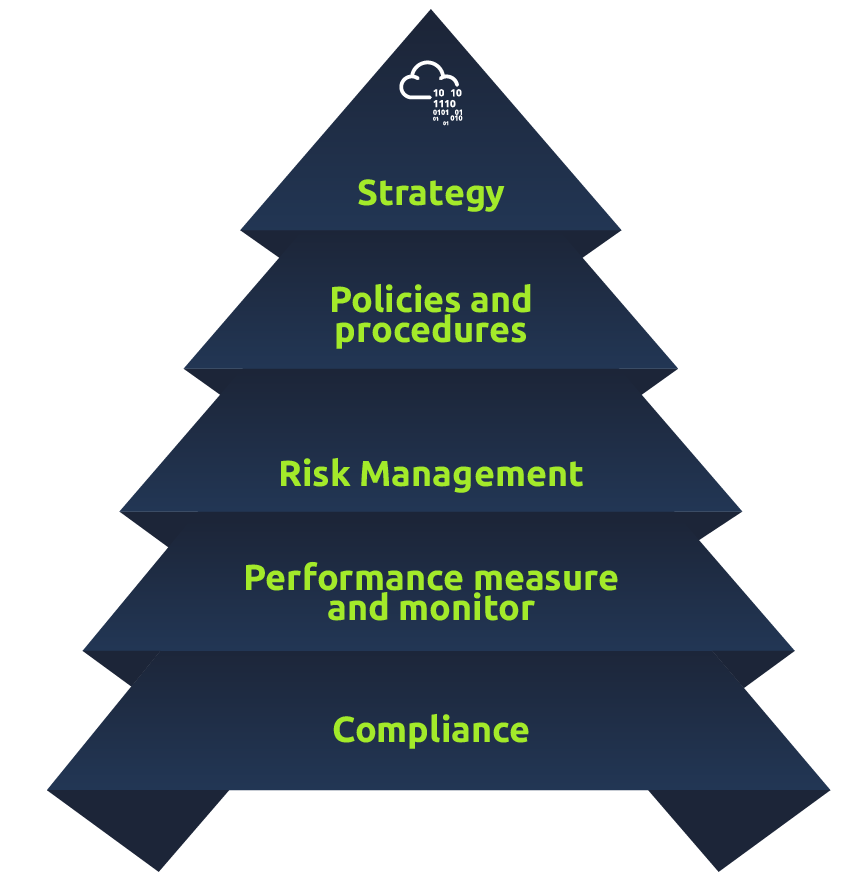
- Governance is Strategy: Security isn’t just IT’s responsibility—it’s a business function. Governance ensures security aligns with organizational goals and legal obligations.
- Regulatory Compliance: Different industries have different requirements. Understanding which regulations apply (GDPR for EU data, PCI-DSS for payments, etc.) is critical for avoiding fines and building trust.
- Policy Development: Security policies aren’t just documents; they are enforceable rules that guide behavior across the organization. From acceptable use policies to incident response plans, they set the tone.
- Audit and Accountability: Regular audits aren’t about catching people doing wrong—they’re about verifying that controls work and identifying gaps before attackers do.
2. Threat Modelling
Threat modelling taught me to systematically analyze systems from an attacker’s perspective before they are deployed.
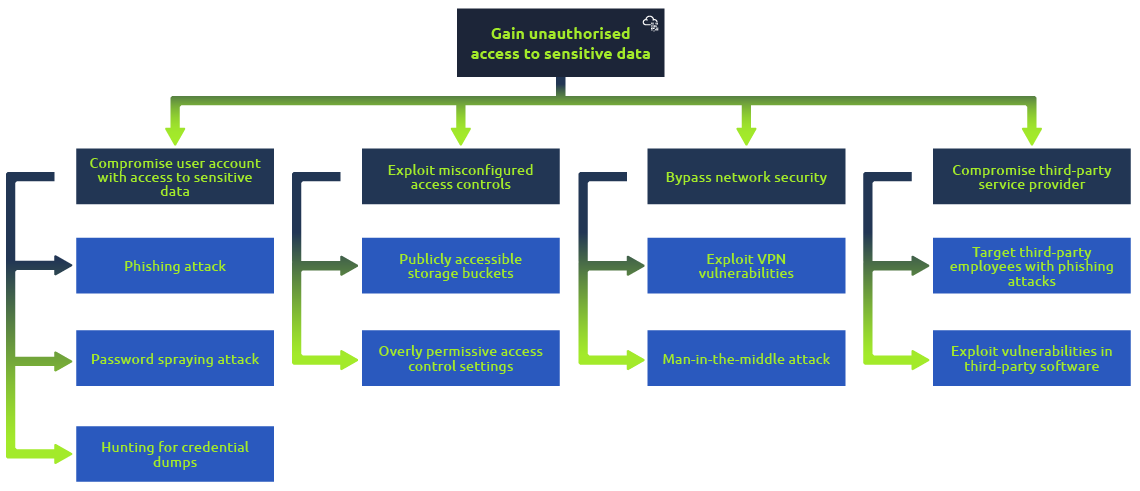
Key Methodologies:
- STRIDE: A framework for categorizing threats: Spoofing, Tampering, Repudiation, Information Disclosure, Denial of Service, and Elevation of Privilege. Each category helps identify specific attack vectors.
- Attack Trees: Visualizing how an attacker might reach a goal through various paths. This helps prioritize defenses on the most likely or damaging routes.
- Data Flow Diagrams (DFDs): Mapping how data moves through a system reveals where sensitive information is exposed and where controls are needed.
- Threat Libraries: Using databases like CAPEC or MITRE ATT&CK to understand common attack patterns and map them to specific system components.
3. Risk Management
Risk management is where theory meets reality. Not every threat can be eliminated, and not every vulnerability can be patched immediately. Risk management teaches me how to make calculated decisions about what to protect, when, and how much.
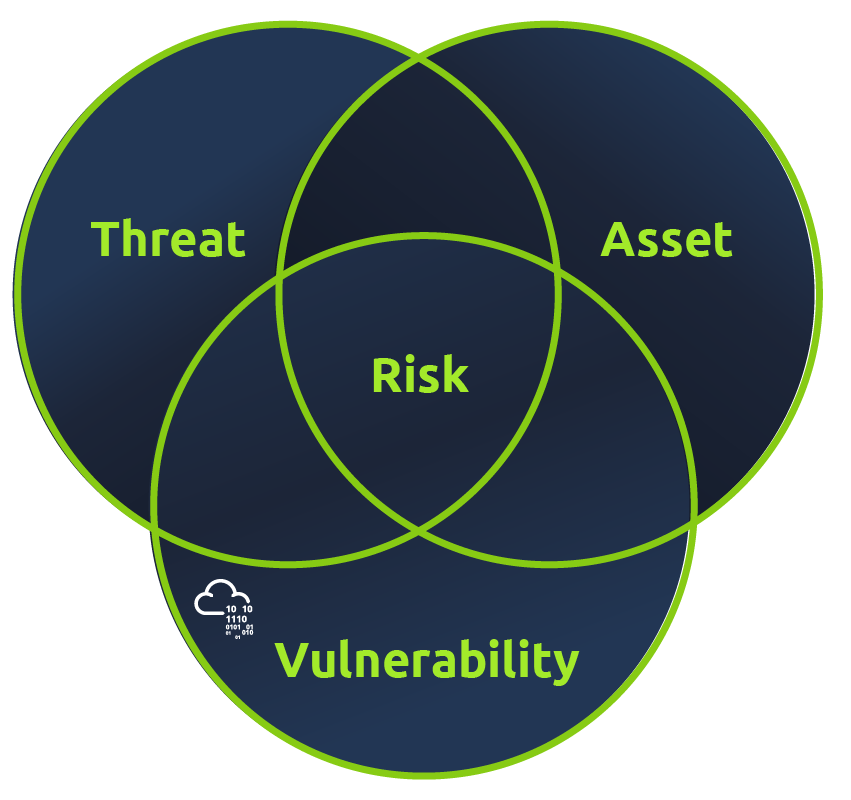
- Risk Assessment: Identifying assets, threats, and vulnerabilities to calculate risk levels. The formula is simple but powerful: Risk = Likelihood × Impact.
- Risk Treatment Options:
- Avoid: Don’t engage in the risky activity.
- Mitigate: Implement controls to reduce likelihood or impact.
- Transfer: Shift risk to a third party (e.g., insurance).
- Accept: Acknowledge the risk and move forward consciously.
- Risk Registers: Maintaining a living document that tracks identified risks, their status, and mitigation efforts. This becomes invaluable during audits and strategic planning.
- Business Impact Analysis (BIA): Understanding which systems are critical to operations and prioritizing their protection accordingly.
4. Vulnerability Management
Vulnerabilities are inevitable. The question isn’t if they exist, but how quickly we can find and fix them. This module transformed vulnerability management from a reactive chore into a proactive strategy.
The Vulnerability Management Lifecycle:
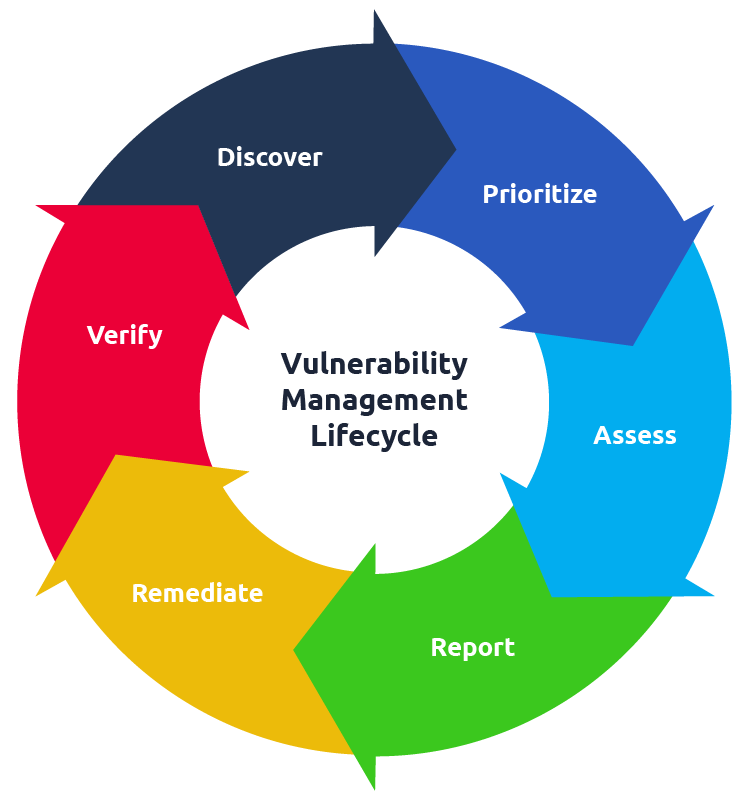
- Discovery: Using scanners (Nessus, OpenVAS) and manual testing to identify weaknesses.
- Prioritization: Not all vulnerabilities are equal. CVSS scores help, but context matters. A critical flaw on an internet-facing server is more urgent than one on an isolated test machine.
- Remediation: Patching, configuration changes, or compensating controls when patches aren’t available.
- Verification: Confirming that fixes were effective and didn’t introduce new issues.
- Reporting: Documenting findings for stakeholders and tracking trends over time.
Key Insights:
- False Positives: Scanners aren’t perfect. Manual verification is essential to avoid wasting time on non-issues.
- Patch Management: Timing is critical. Some patches introduce bugs; others are urgent. Balancing speed and stability is an art.
- Asset Inventory: You can’t protect what you don’t know exists. Maintaining an accurate asset inventory is the foundation of effective vulnerability management.
Connecting the Dots: How These Concepts Work Together
One of the most valuable aspects of this section was seeing how these four areas interconnect:
| Component | Role in Security Strategy |
|---|---|
| Governance | Sets the rules and expectations |
| Threat Modelling | Identifies what we’re defending against |
| Risk Management | Decides what to prioritize and accept |
| Vulnerability Management | Executes the ongoing defense |
Without governance, vulnerability management lacks direction. Without threat modelling, risk management is blind. Without risk management, threat modelling becomes an endless exercise. And without vulnerability management, all the planning is theoretical.
Conclusion:
I see that security is no longer a collection of tools and configurations. Instead, I see it as a strategic discipline that requires:
- Understanding the regulatory landscape
- Proactively identifying threats before they materialize
- Making informed risk-based decisions
- Continuously improving through vulnerability management
This section bridged the gap between technical skills and strategic thinking. As I continue through the path, I’m excited to apply these concepts in more complex scenarios and real-world simulations.